This project explores the cultural exchange between Europe and South America, focusing on the "border object" and the evolving practices surrounding ayahuasca. Ayahuasca, a psychoactive brew made from Amazonian plants like Banisteriopsis Caapi (yagé) and Psychotria viridis (chacruna), has long been used by indigenous peoples in ceremonies and social settings.
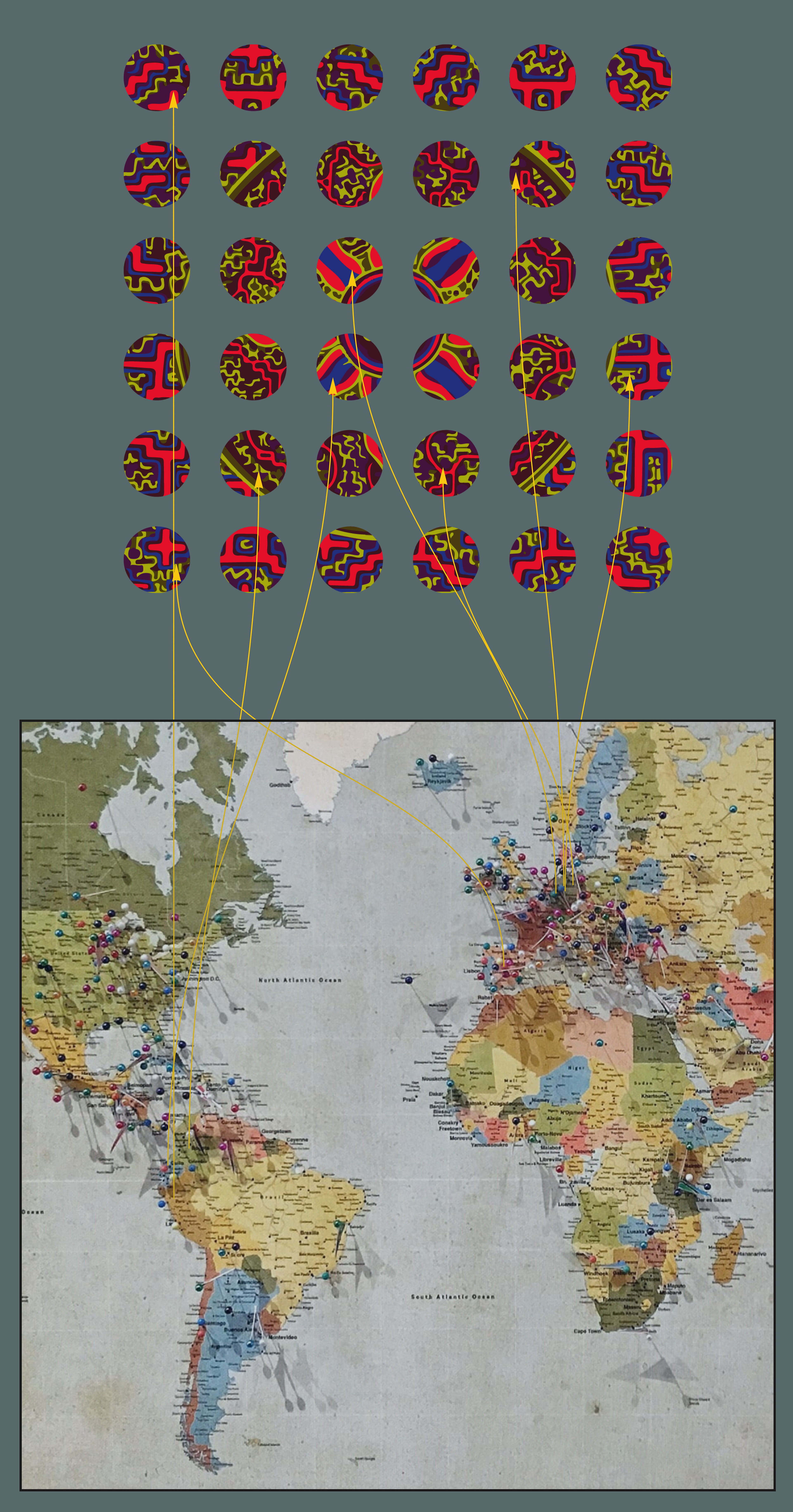

In recent years, ayahuasca has gained global attention, with its use spreading to Europe, the U.S., and beyond. Ayahuasca retreats now attract participants worldwide, blending traditional practices with modern interpretations. This shift raises questions about how cultural, social, and economic dynamics have transformed over time and across continents.
Ayahuasca, also known as caapi, vegetal, or uni, holds deep cultural significance in the Amazon region. Its Quechua name translates to "liana of the soul" or "spirit vine," reflecting its spiritual and medicinal importance. Indigenous peoples have used ayahuasca for generations, long before Western awareness of the brew.
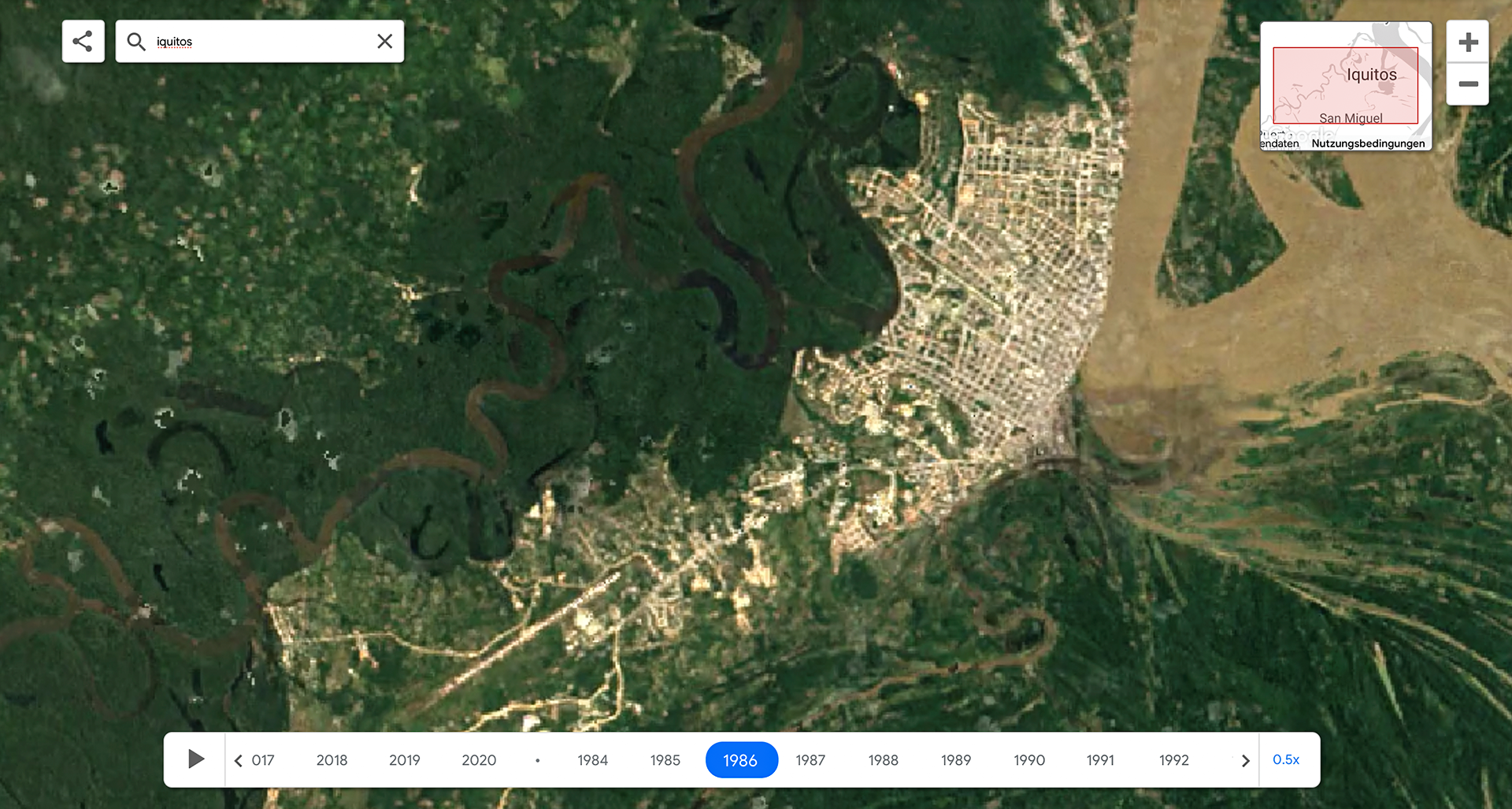
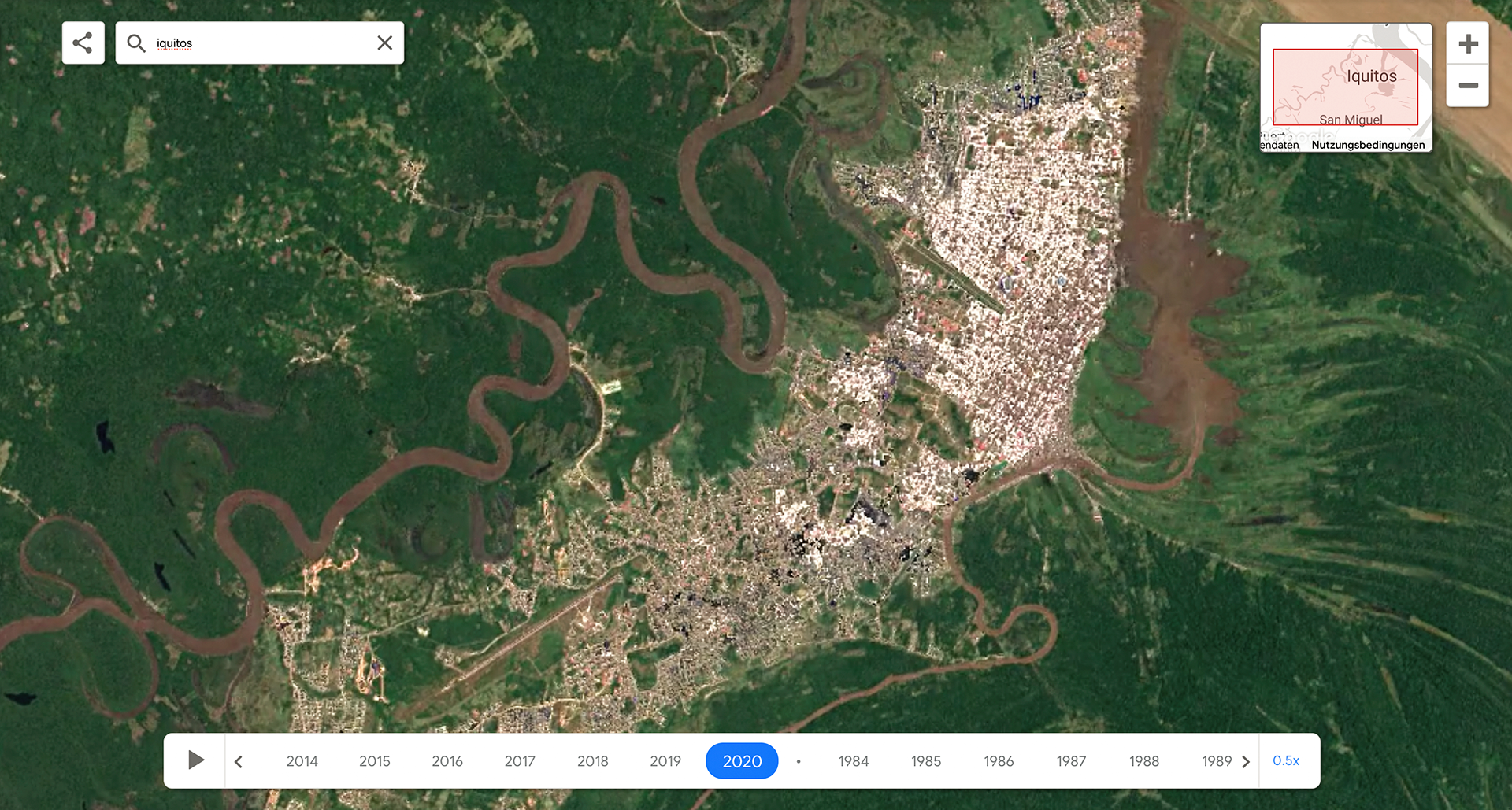
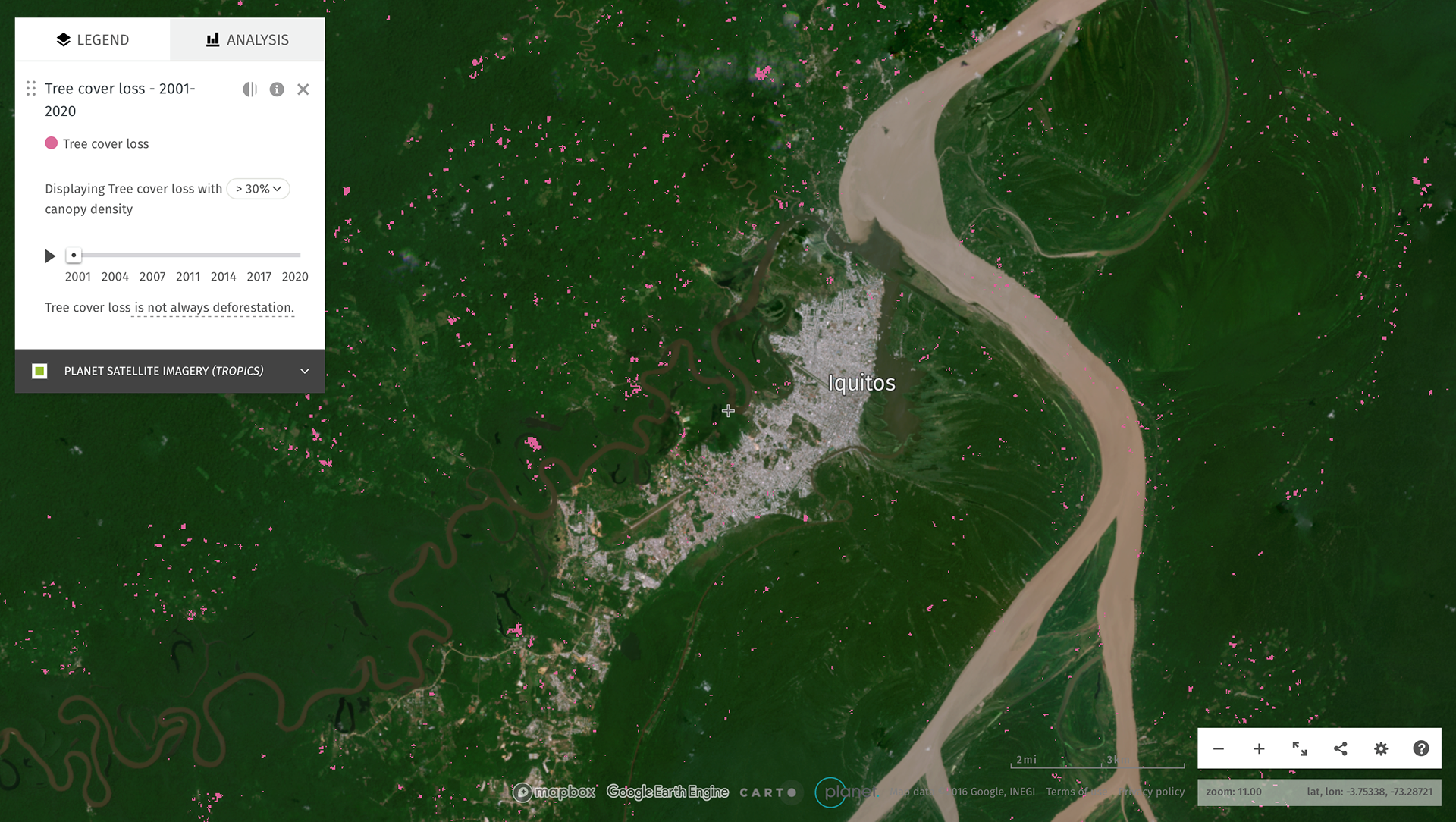
In recent years, global interest in ayahuasca's healing properties and spiritual traditions has surged, making cities like Iquitos, Peru, major hubs for ayahuasca tourism. Once a small town with indigenous roots, Iquitos has transformed dramatically. Tourism now drives much of its economy, with hotels and retreats springing up both in the city and the surrounding Amazon. This rapid growth has reshaped the landscape, blending local traditions with a growing commercial industry centered on the ayahuasca experience.
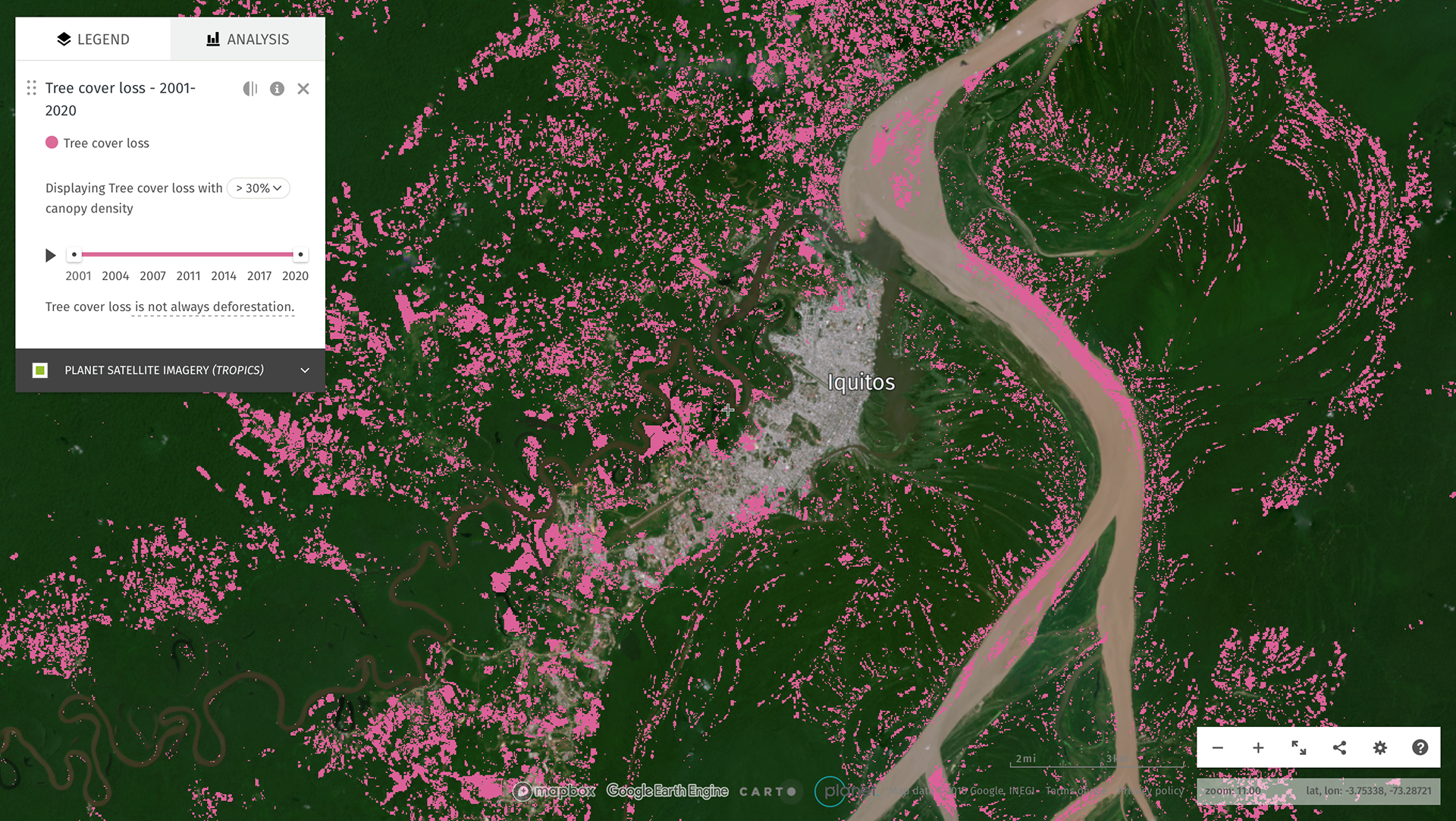
Design Process & Concept Proposal
During our research, we spoke with a shaman from the Amazonian Shuar tribe in Ecuador, who leads traditional ayahuasca ceremonies. His deep knowledge of the brew, the plants, and the rituals comes from years of experience and cultural training. Including his perspective allowed us to move beyond predominantly Western sources, highlighting the authentic and cultural significance of ayahuasca practices.
Visualization
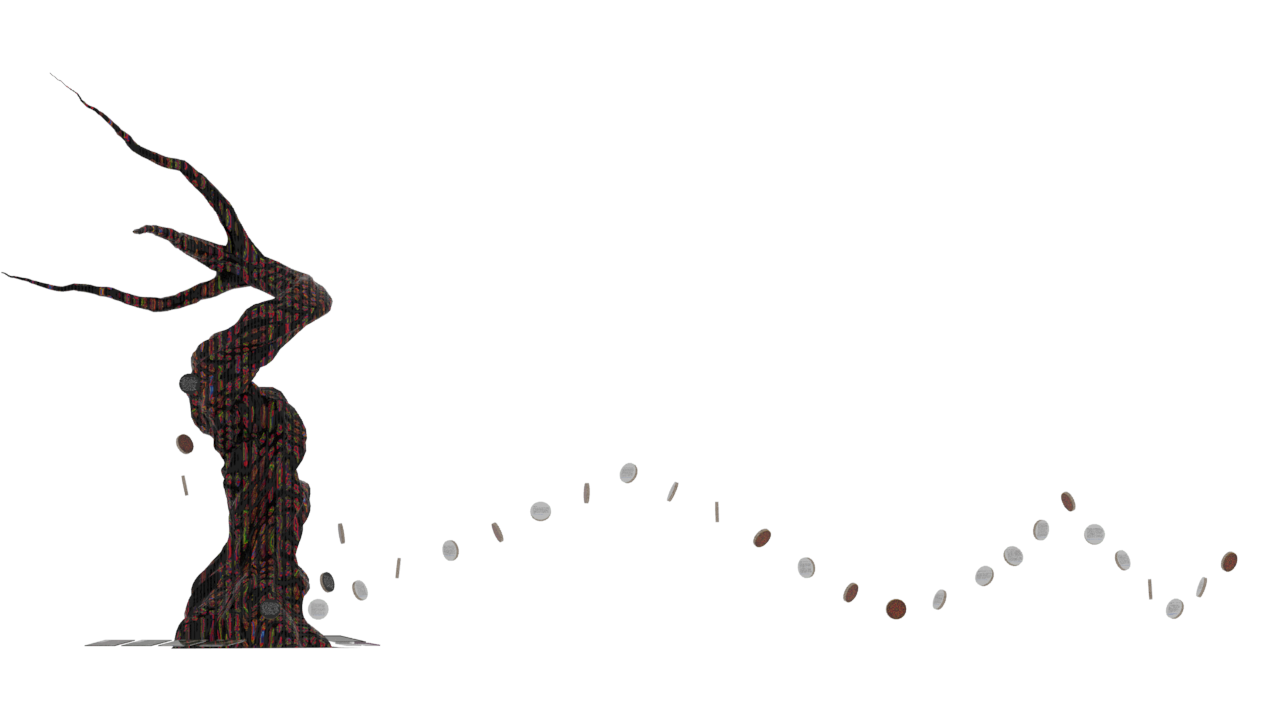
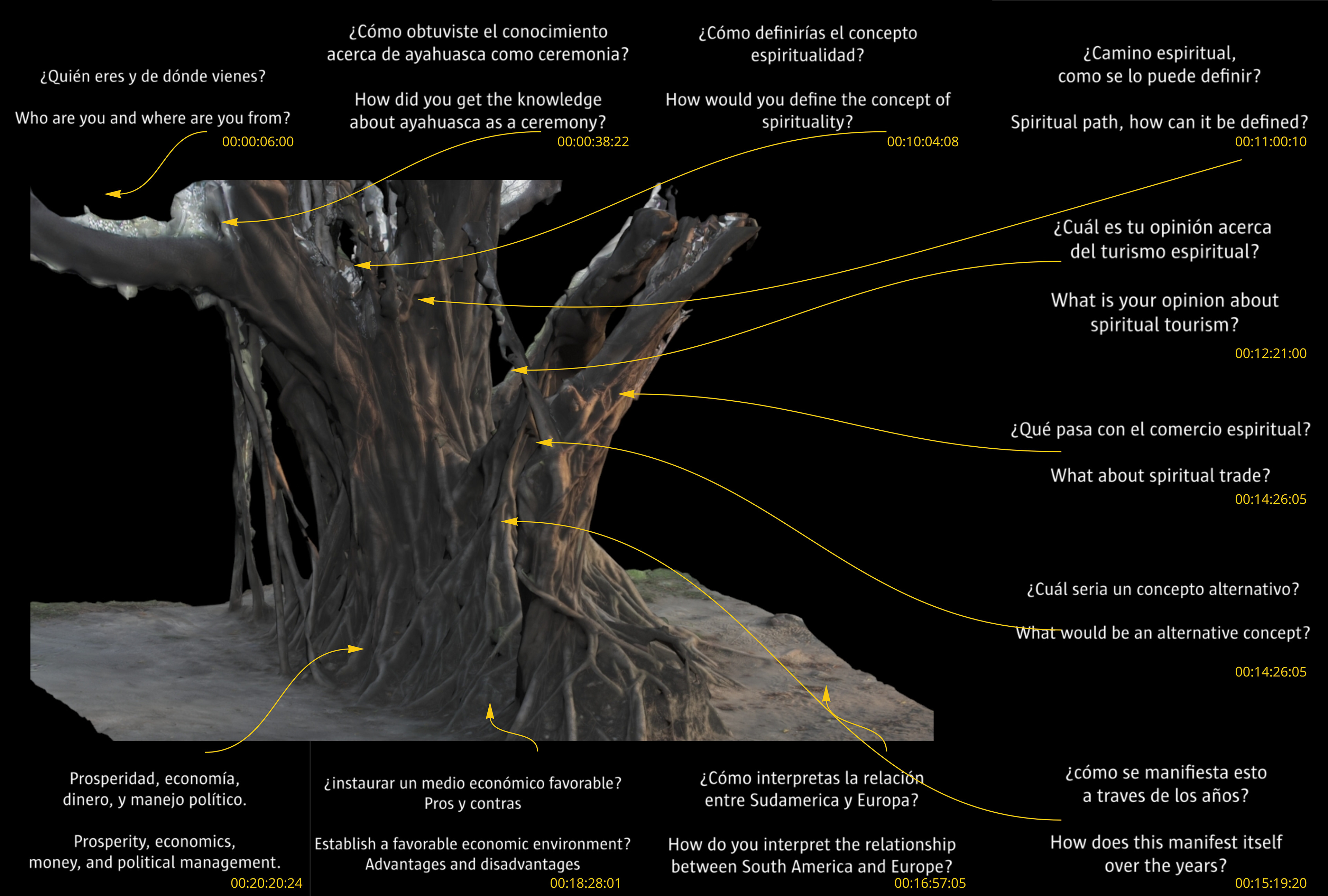
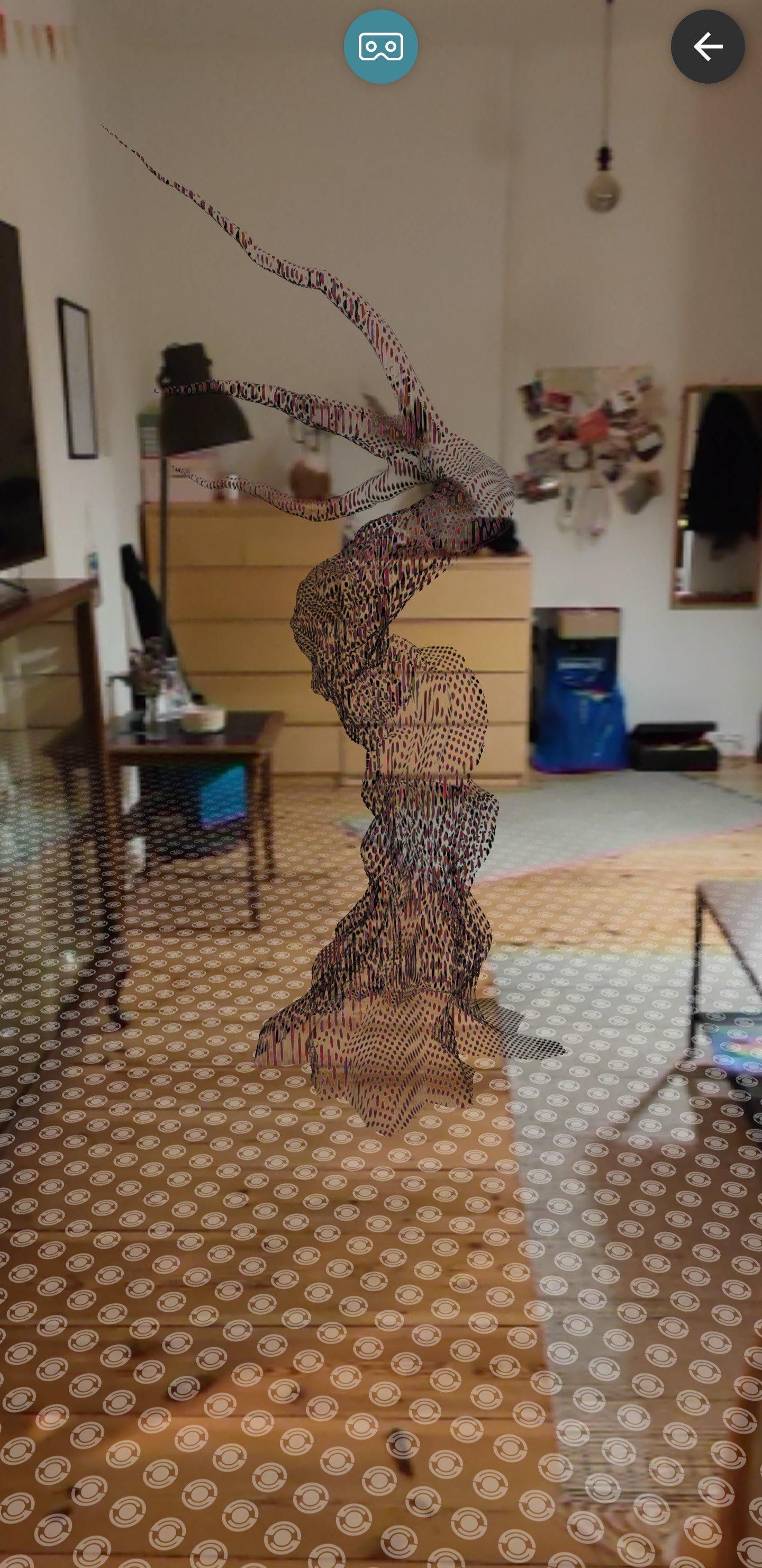
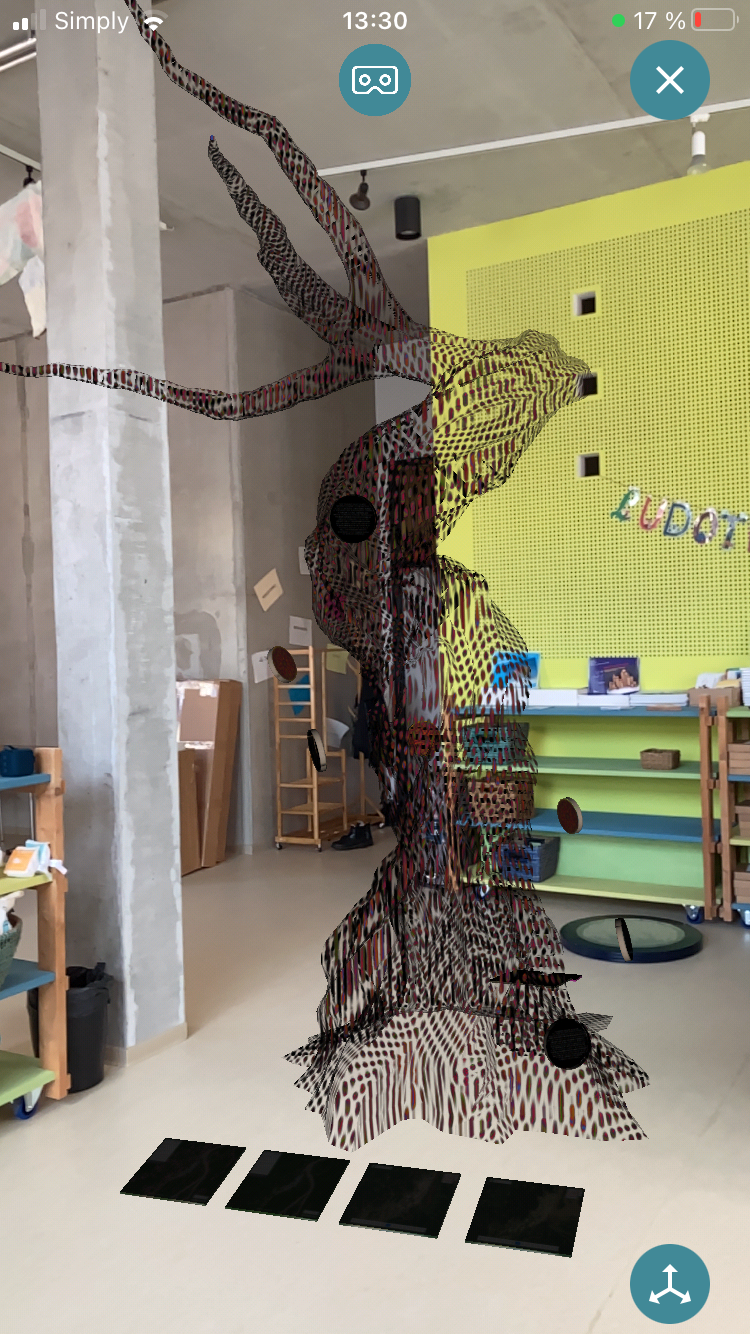
After gathering insights from interviews, articles, documentaries, and conversations about spiritual tourism, we explored ways to visually share our findings. Inspired by the ayahuasca vine and its psychedelic patterns, we created a 3D model of the Banisteriopsis caapi liana. This visualization reflects the stories collected through interviews, surveys, and research, connecting international perspectives through a single, unifying symbol: ayahuasca.
Supervised by:
Thiago da Costa Oliveira
Andres Burbano
Prof. Myriel Milicevic
Winter semester 2021/2022
A project by:
© Hannah Machajdik and Victor Molina