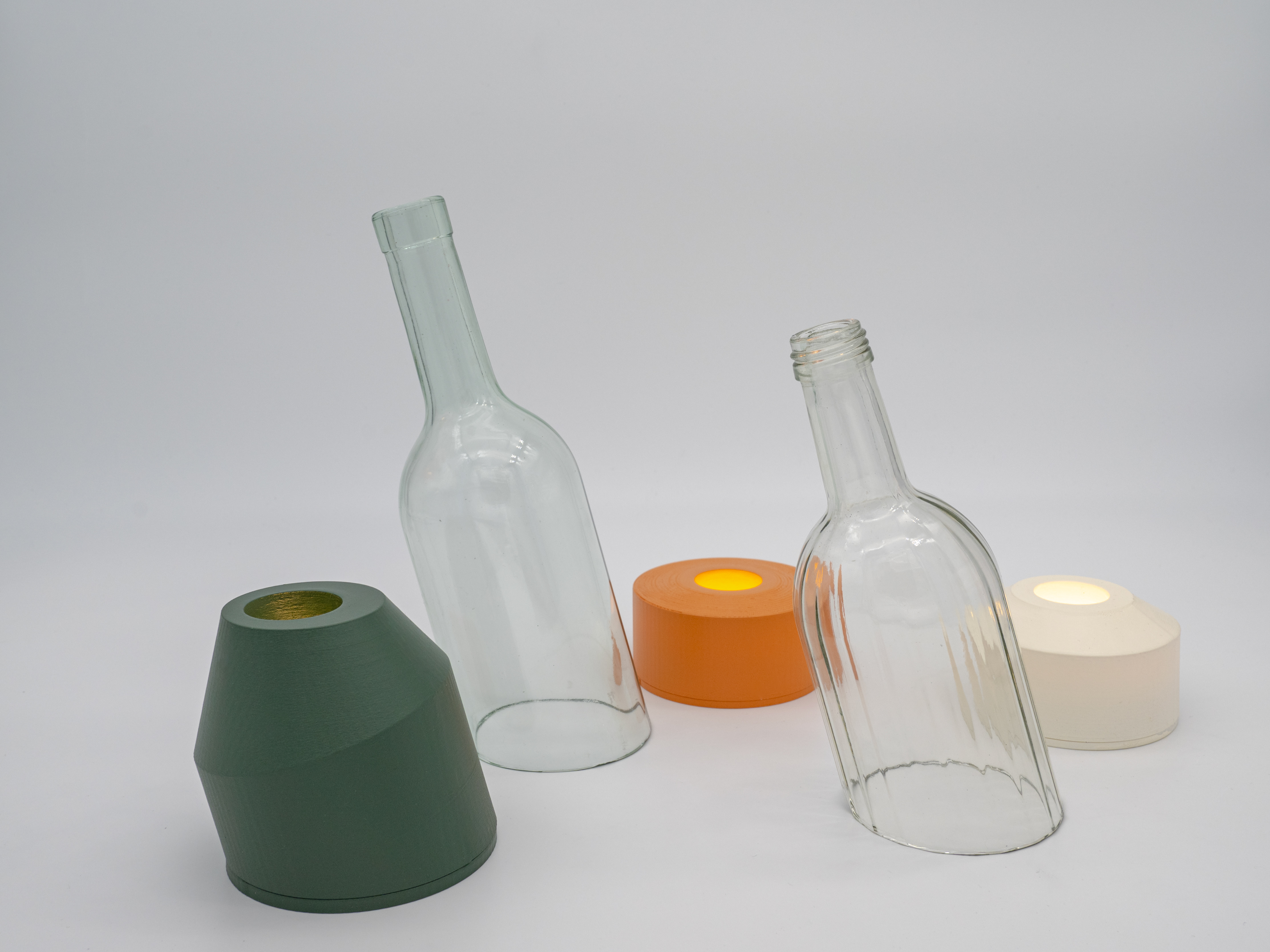
By studying the interconnected networks of the Döberitzer Heide, this work sheds light on how minimal intervention can support ecosystems and highlights the often-overlooked roles of non-human actors. It underscores the potential of "trophic rewilding" to allow ecosystems to self-sustain while revealing the intricate, yet-to-be-fully-understood relationships that define these natural environments.
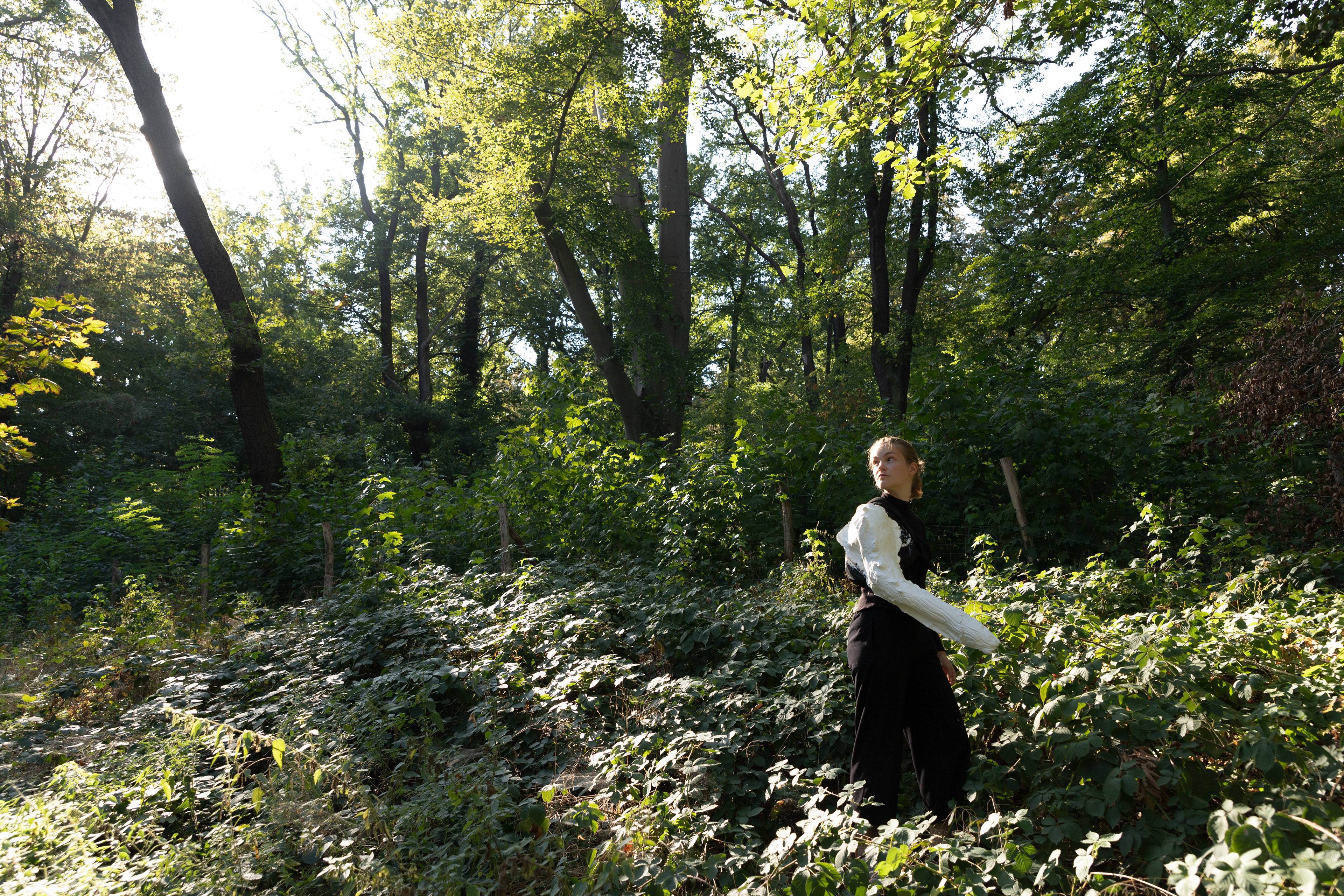
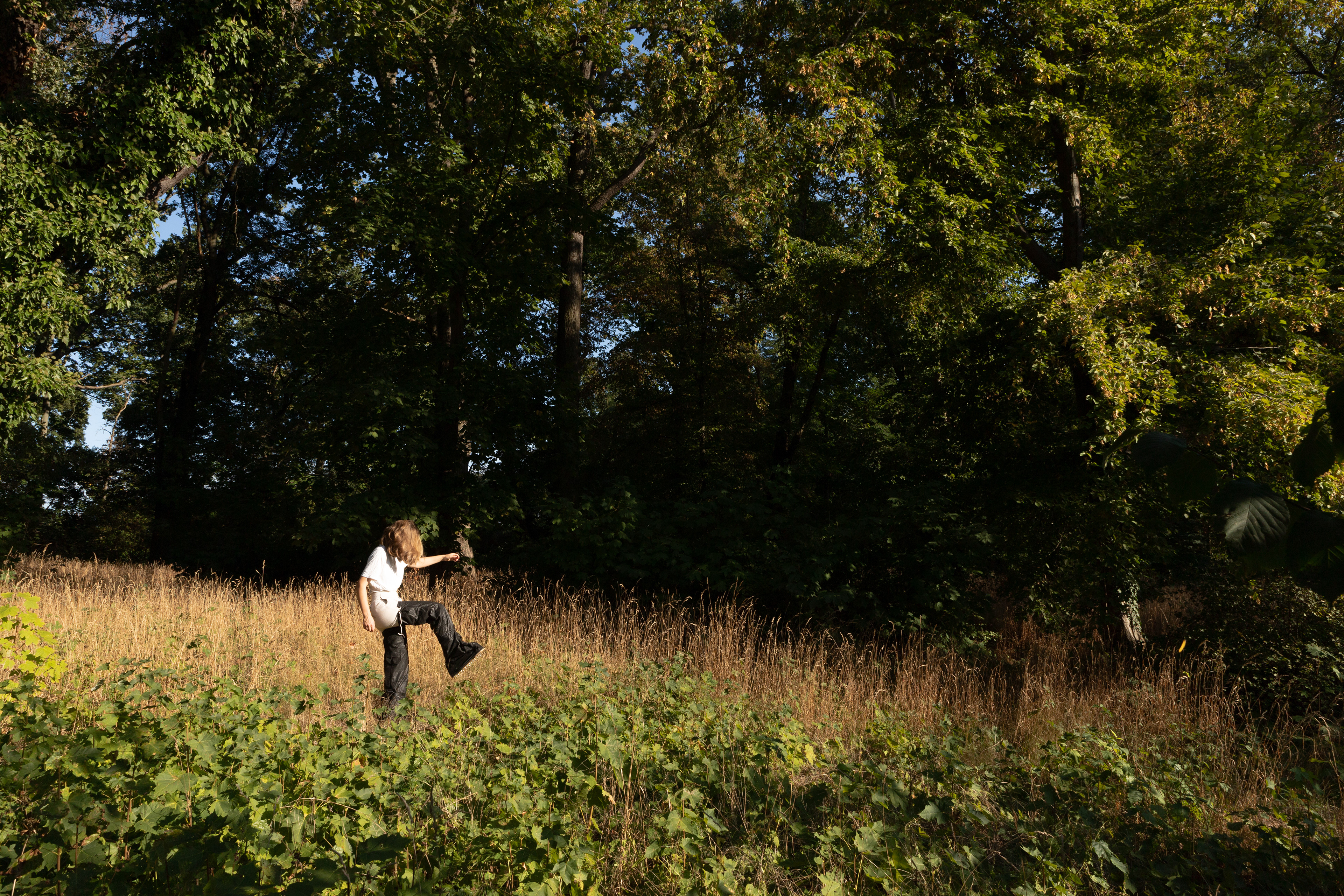
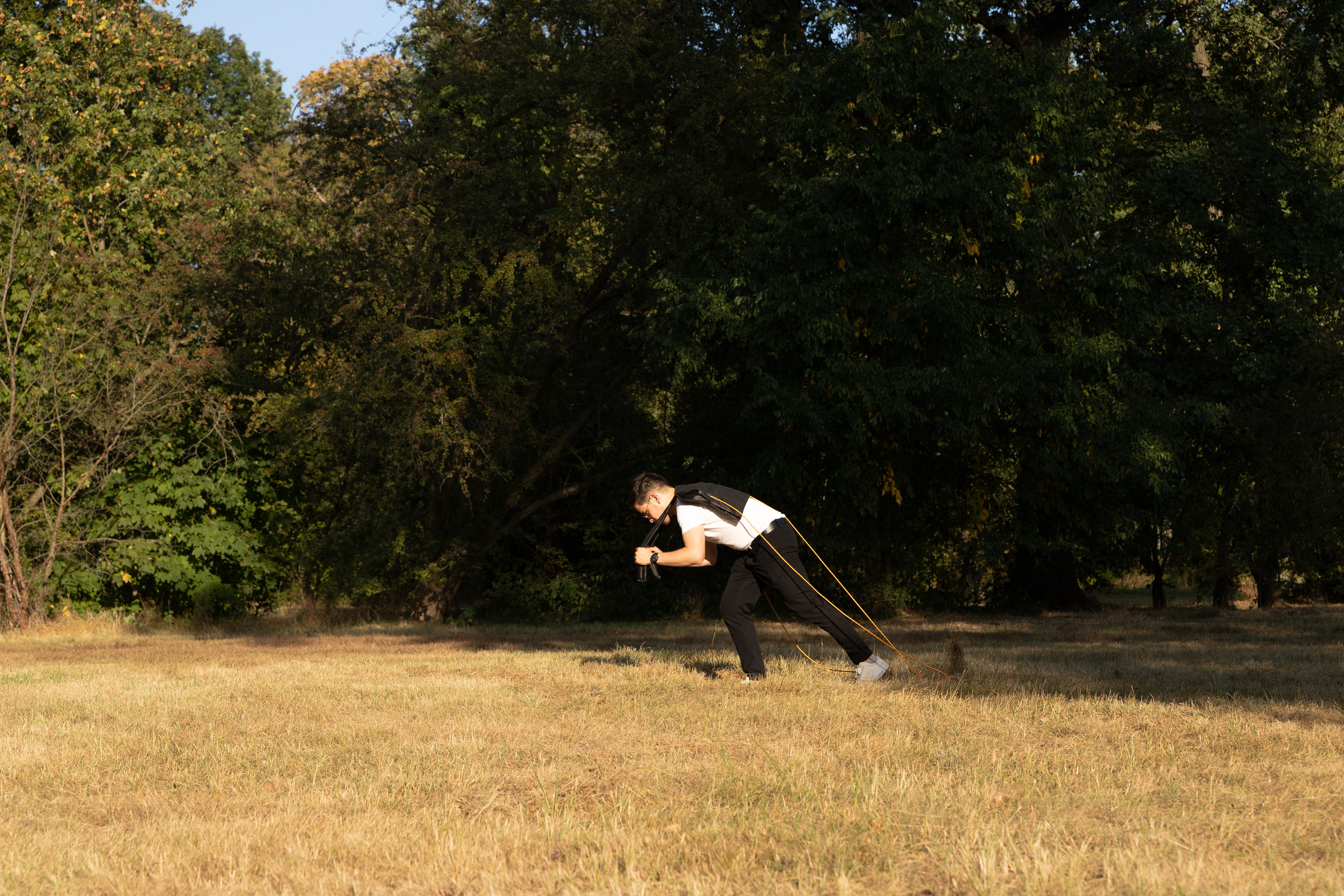
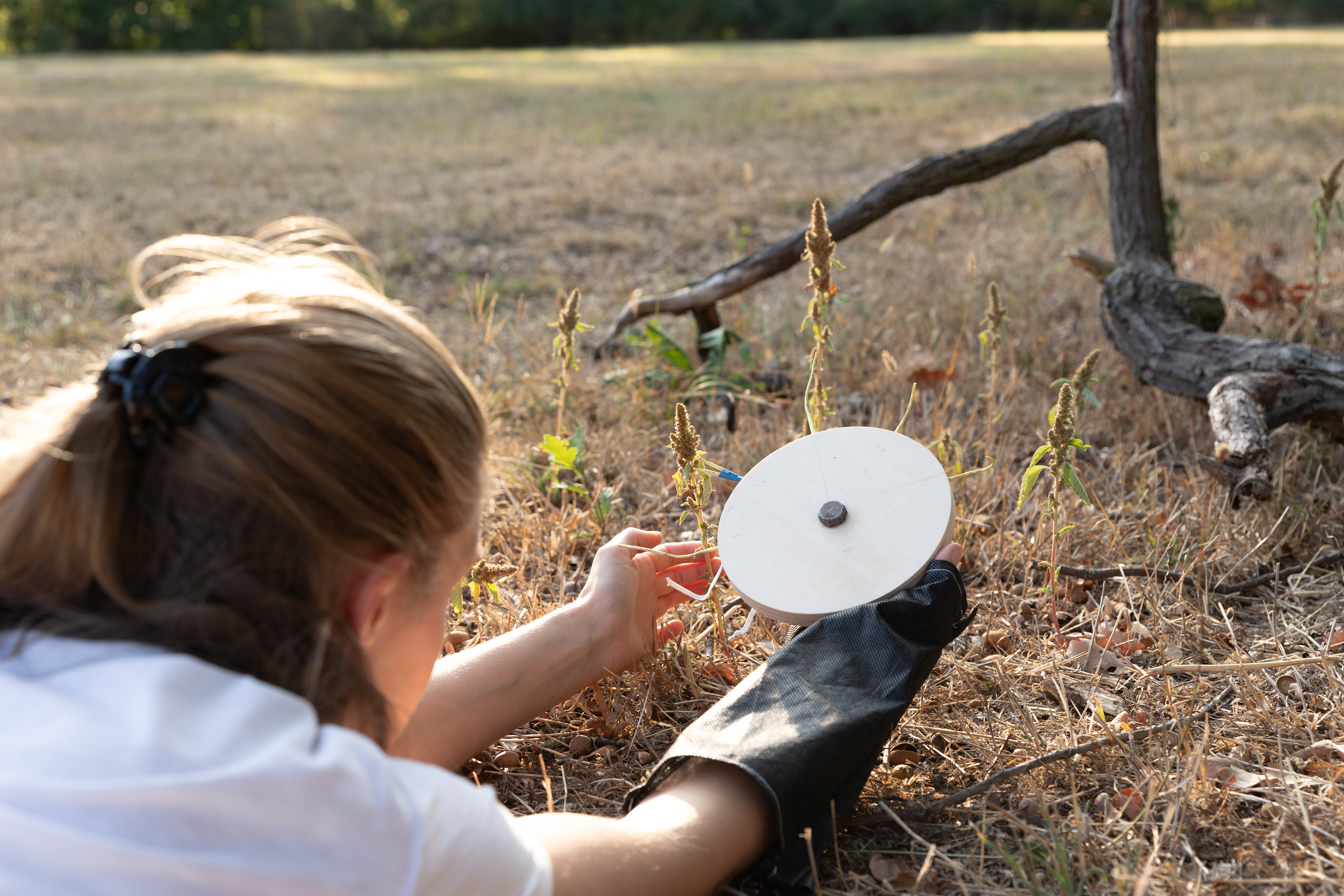
The design approach initially focused on creating tools that were intentionally impractical, aiming to avoid a simplified, tech-driven narrative. This concept was called "too big and too small," where objects featured elements that were either oversized or undersized, such as an oversized hand paired with a tiny paintbrush or large shoes too small for mowing the landscape. While practical considerations limited the full execution of this approach, the principle of impractical tools remains present in the final designs. For simplicity, a consistent color scheme was chosen, primarily black fabric paired with wood or plaster. These materials were selected for their natural feel and openness, unlike plastic, which creates a closed surface.
Research
Understanding networks and interactions, especially those centered around non-human actors, is a unique challenge. How can these stories be told compellingly without oversimplification? How can these actors truly be given the space they deserve?
The Döberitzer Heide, a dynamic nature reserve, offers fascinating insights. This protected area, with its core zone left largely to natural processes, is home to a diverse array of species including wild horses, European bison, wolves, ospreys, beavers, and otters. Interestingly, this biodiverse landscape originated from human activity—it was once a military training ground.
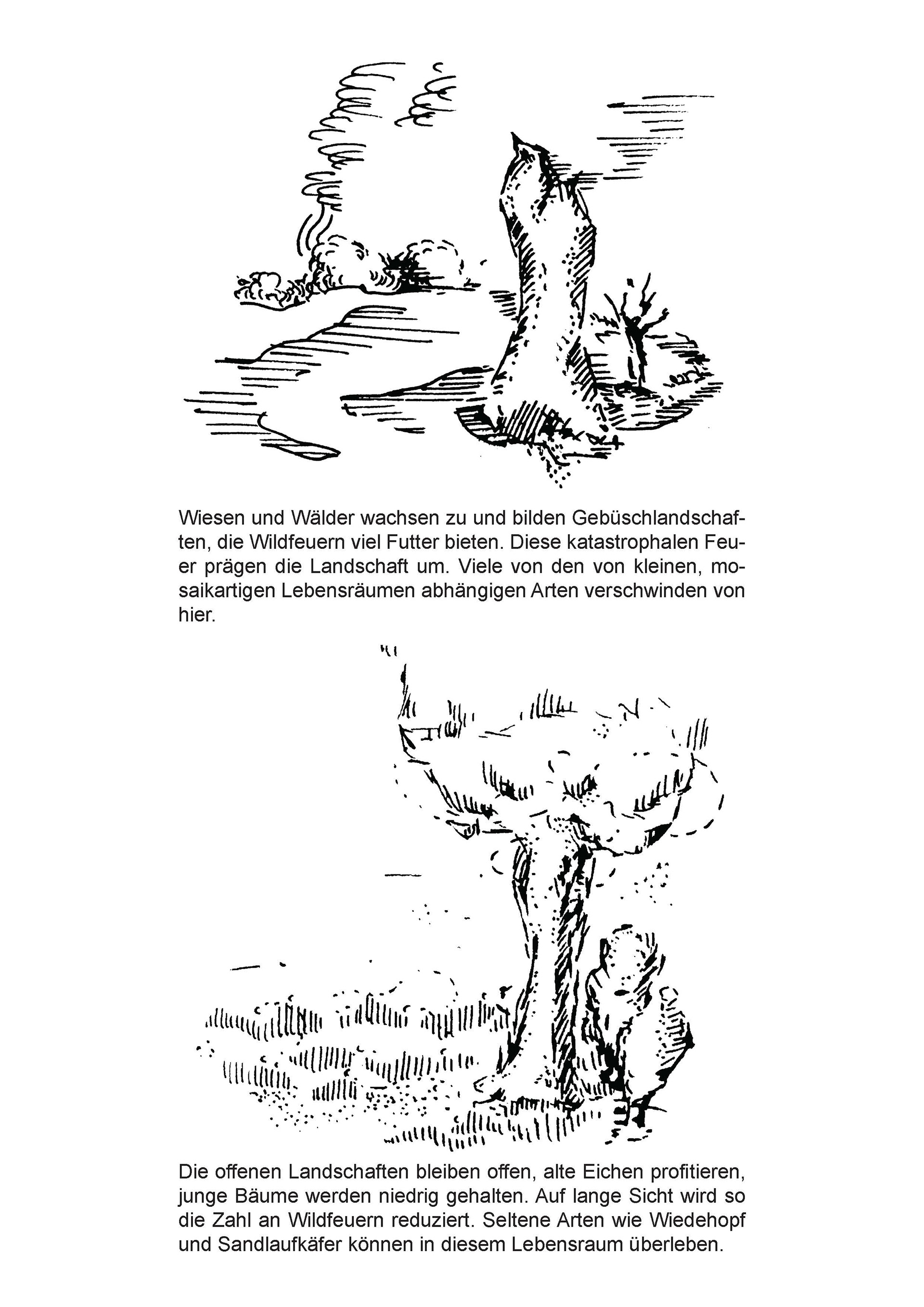
To maintain habitats for the species that thrive here, the encroachment of shrubs and forests must be controlled. In the Döberitzer Heide, this role is taken on by wild horses and bison, whose grazing habits shape the landscape, preventing overgrowth and maintaining open areas.
This research delves into how these species influence the ecosystem over time. Against the backdrop of climate and biodiversity crises, it raises crucial questions: How can landscapes like this be sustainably protected? What strategies can preserve them as dynamic ecosystems?
Sven Schwippl explores how bison and wild horse populations shape landscapes under different climate scenarios. Using computer-aided projections, he creates future scenarios to study their impact on ecosystems. His research includes detailed maps predicting changes in tree populations and wildfire risks. In the Döberitz Heath, these animals play a key role: their grazing habits can help prevent wildfires, maintain open grasslands, and protect ancient beech forests.
Concept Proposal
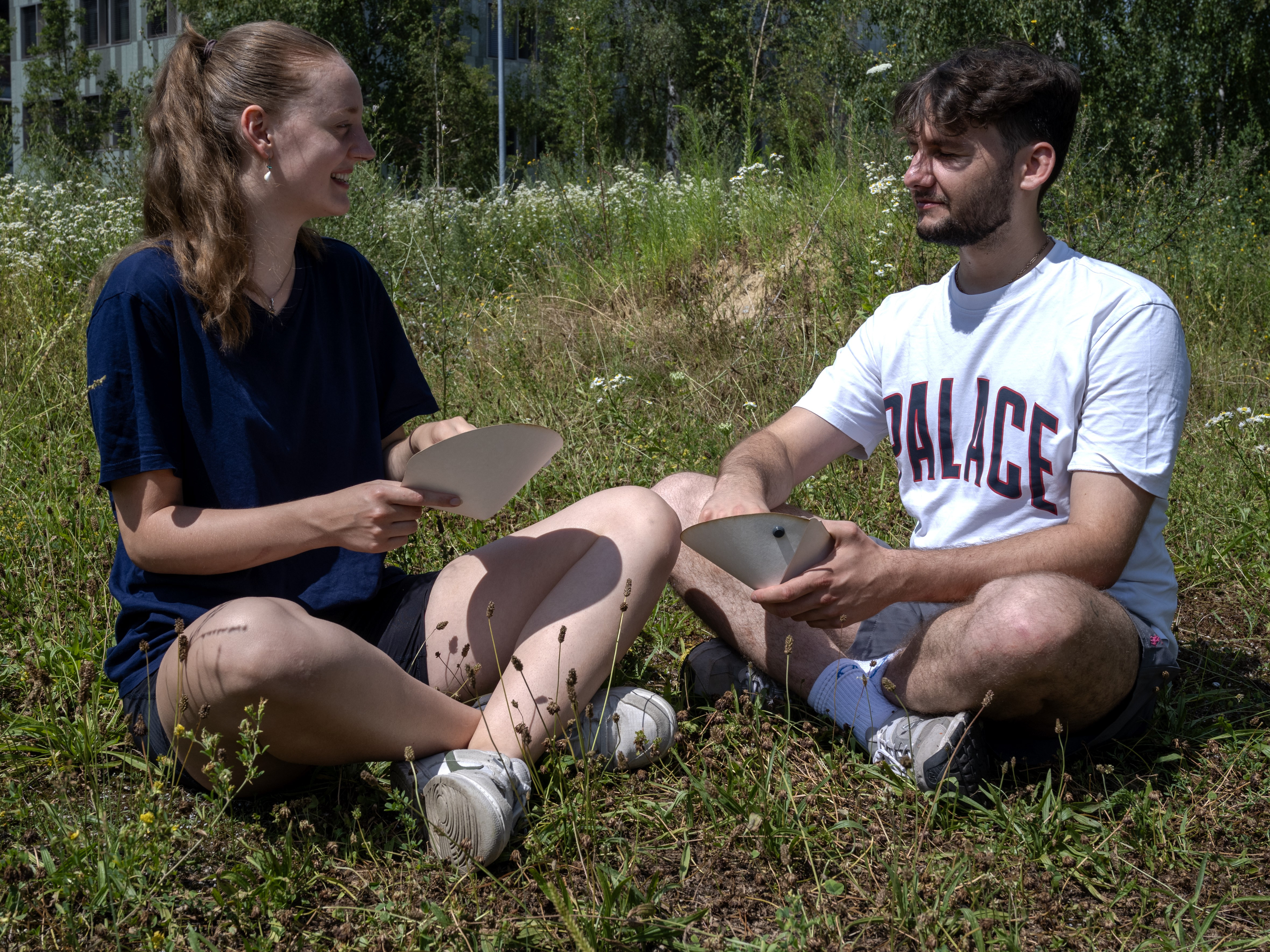
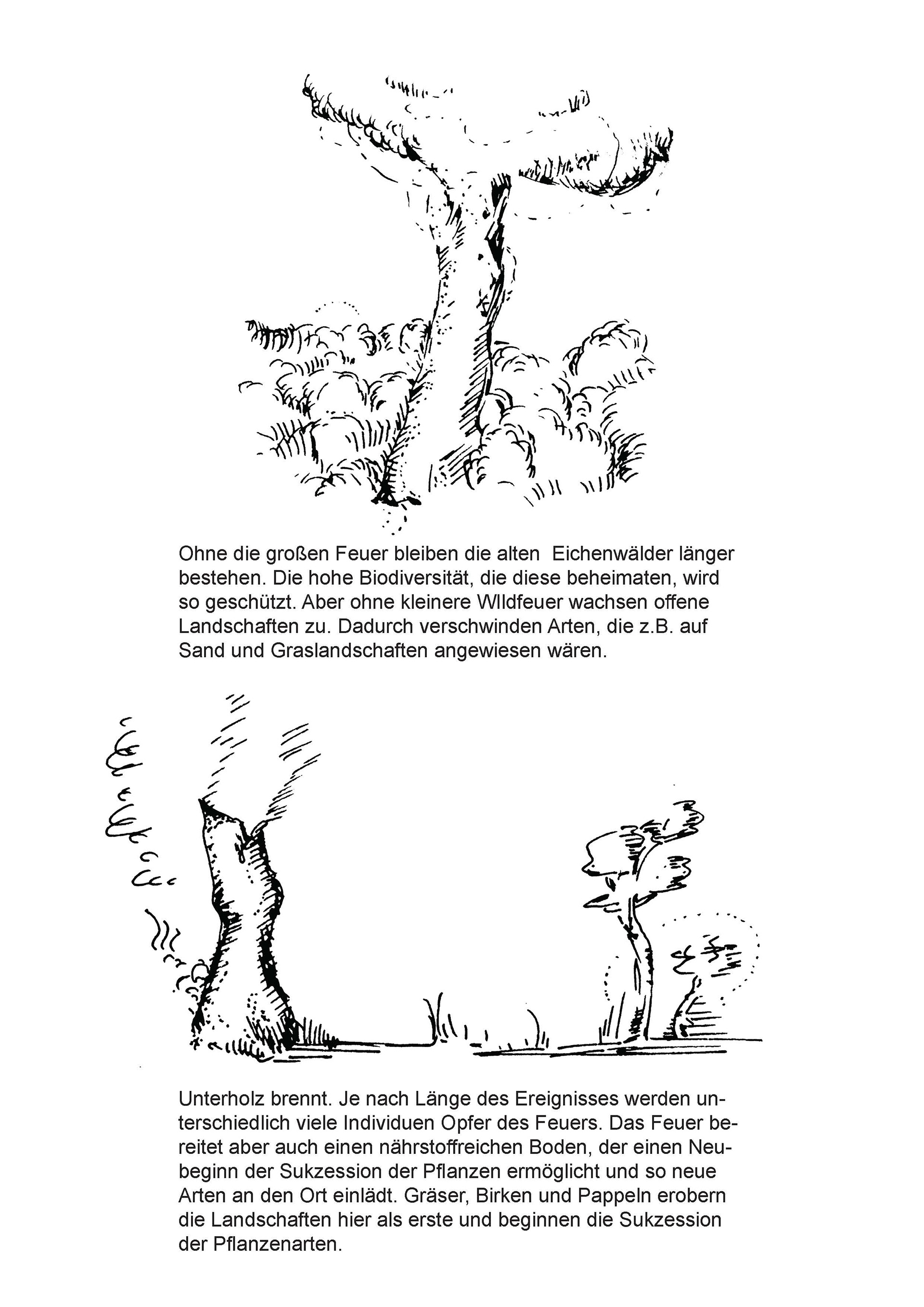
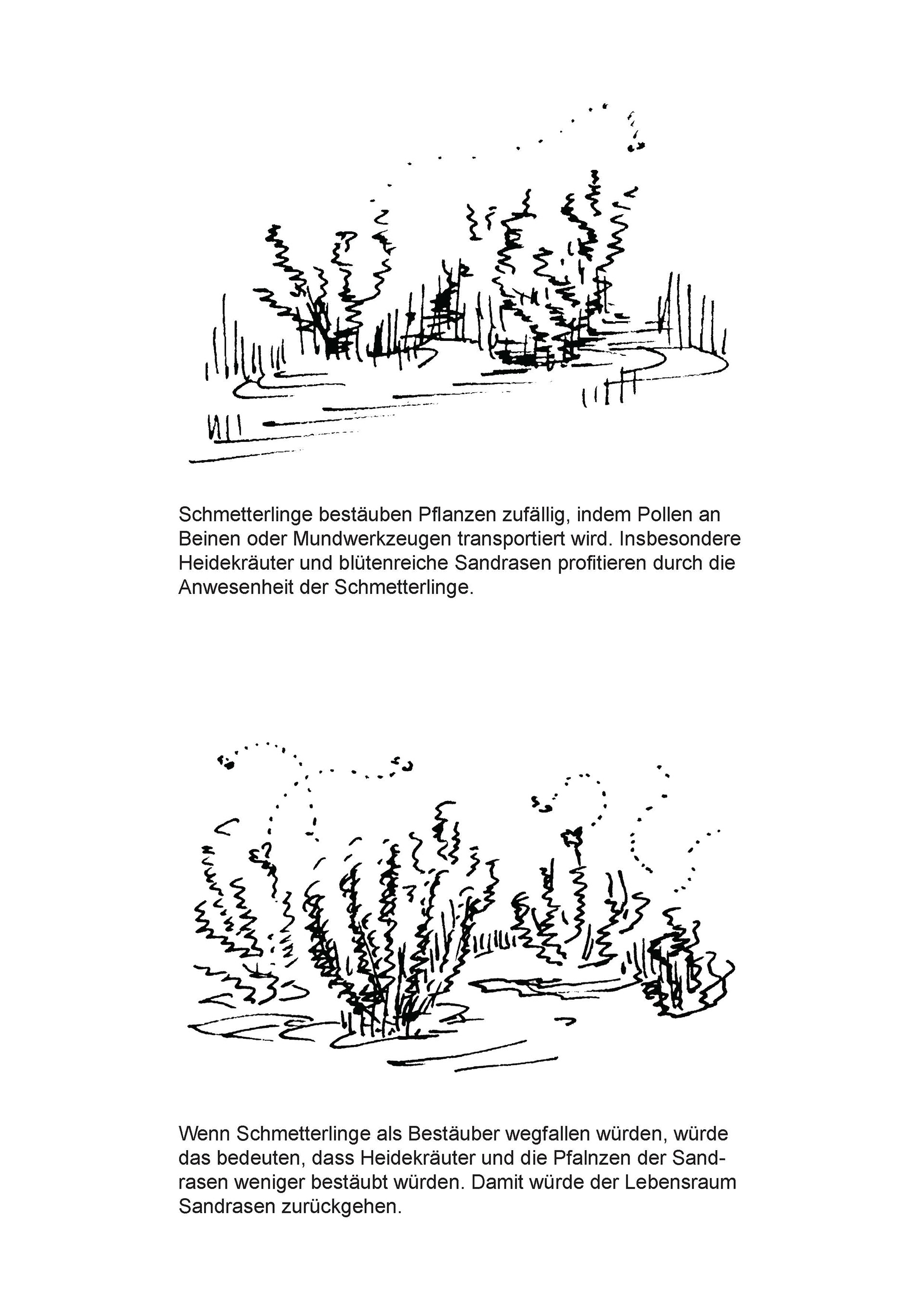
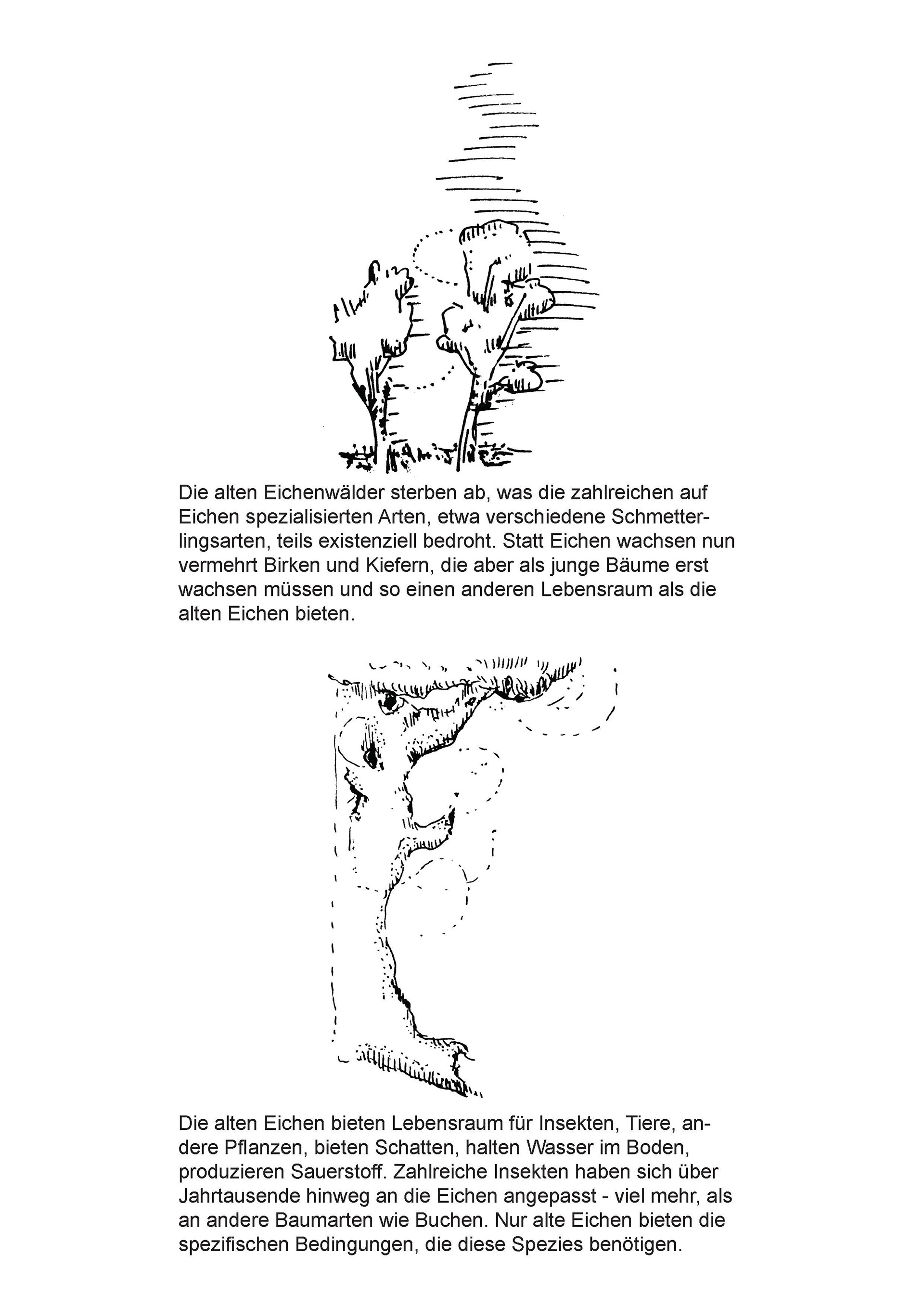
The result of this debate are four speculative tools that take up the functions of these actors and have them transferred to the landscape by people.
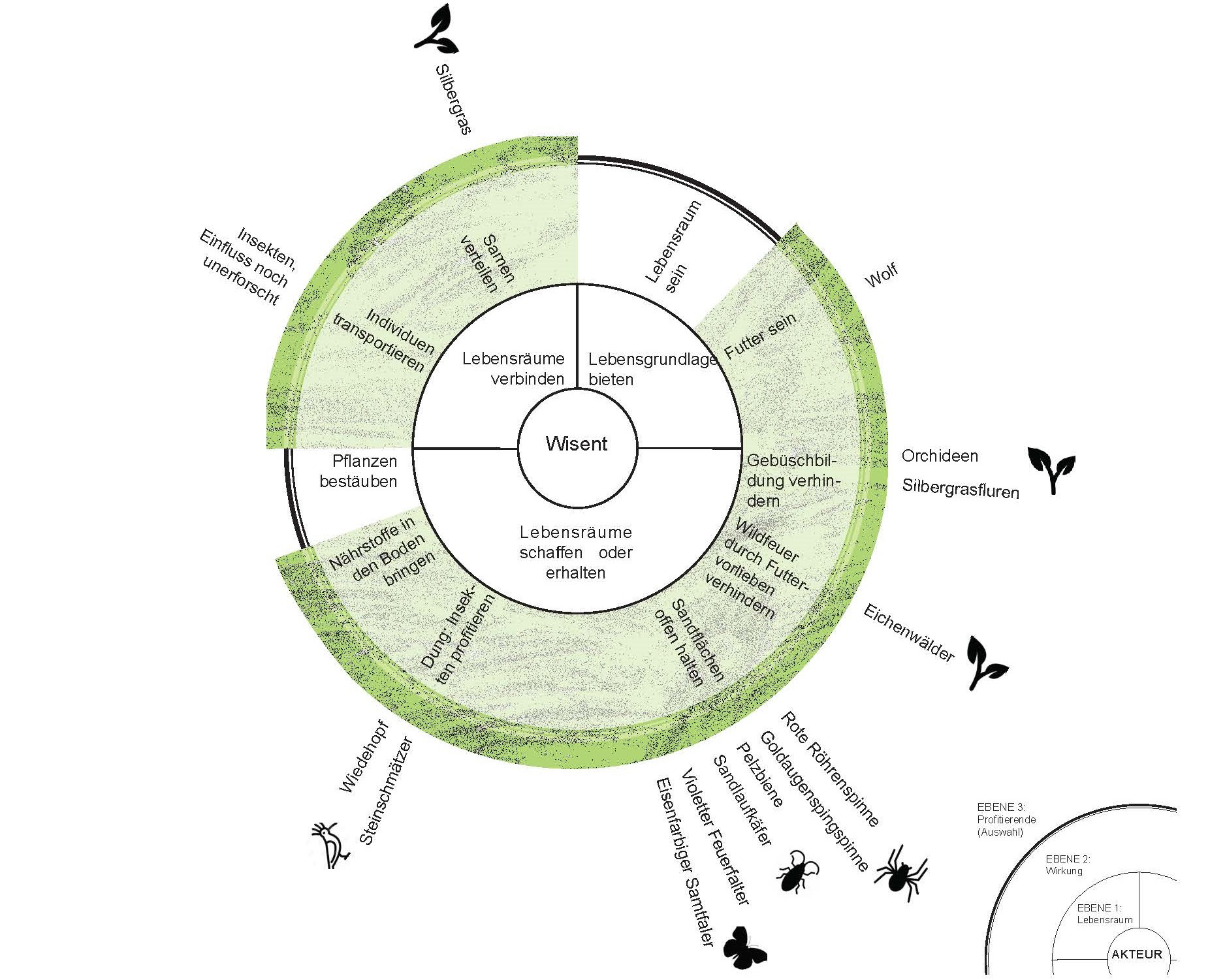
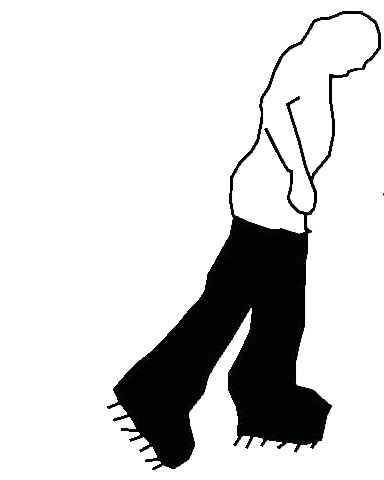
The tool for this concept is a pair of shoes featuring screws in the soles that dig into the ground, paired with long pant legs attached to the shoes. Inspired by bison, which travel distances while consuming large amounts of grass, herbs, and shrubs, the shoes mimic this process—albeit in an impractical and thought-provoking way.
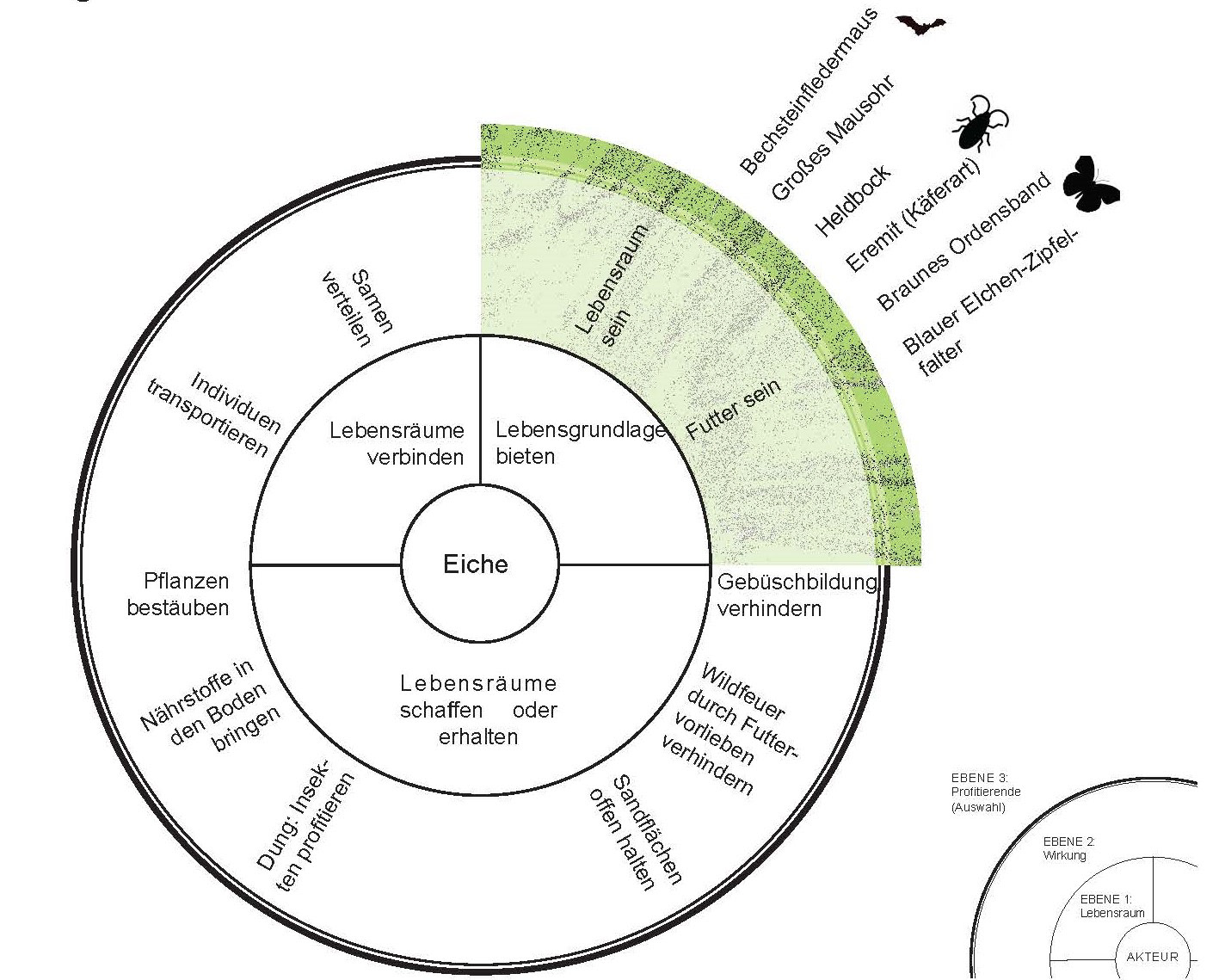
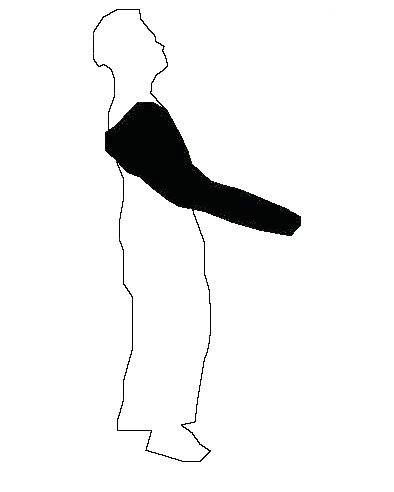
The plaster arm brace is inspired by the oak tree’s unique role as a habitat for countless small organisms. Oaks, with their long evolutionary history in Central Europe, have become essential to many species that rely on them as a stable, unchanging environment. This enduring quality is reflected in the design of the arm brace.
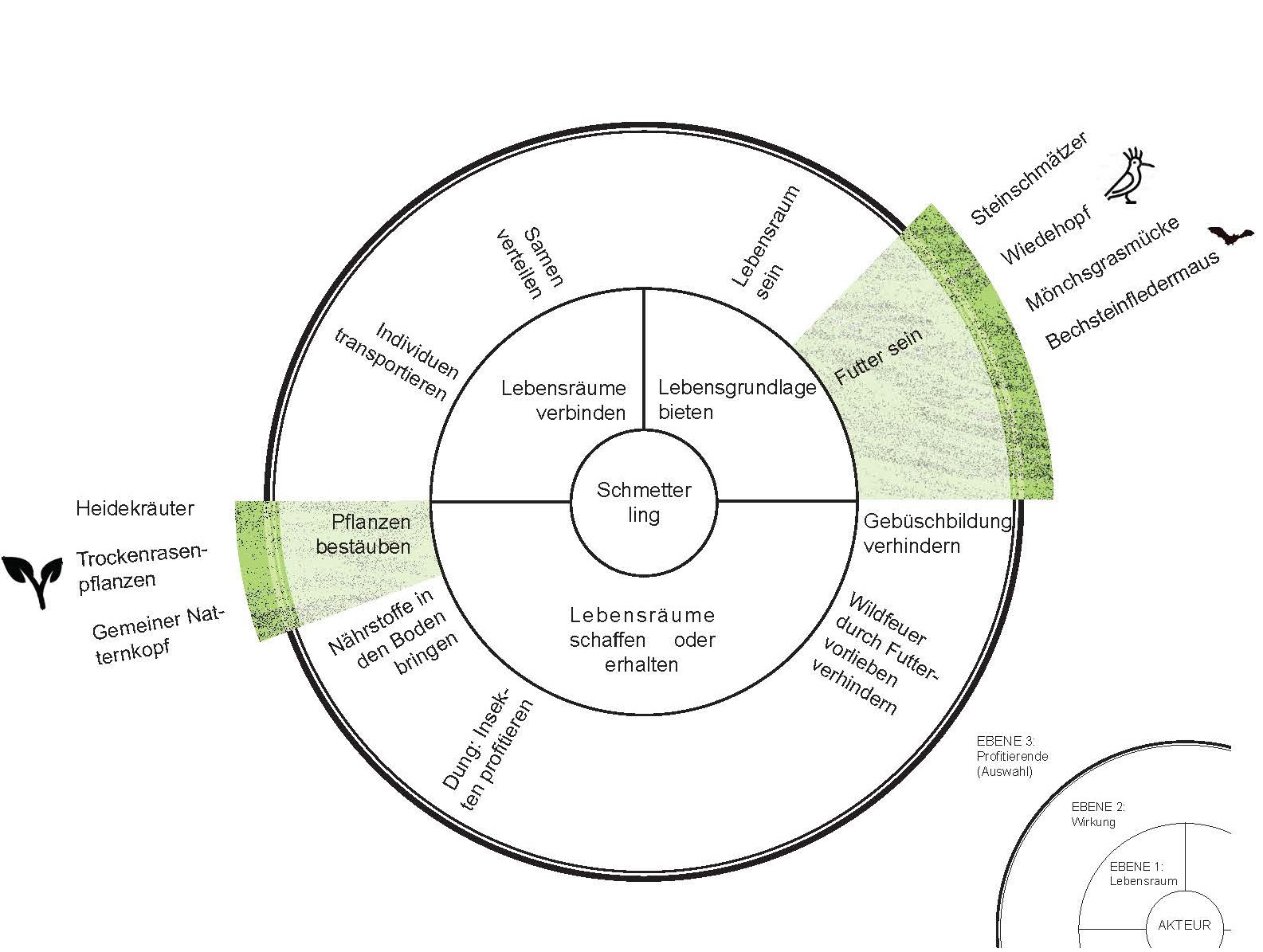
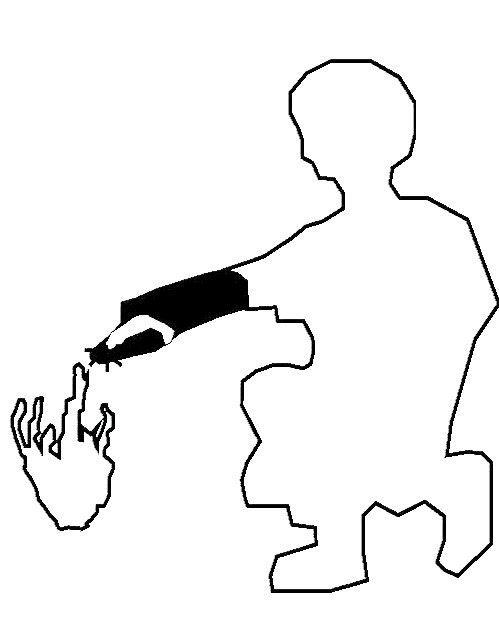
This concept features a glove inspired by the structure of butterfly proboscises and legs, designed to perform pollination functions.
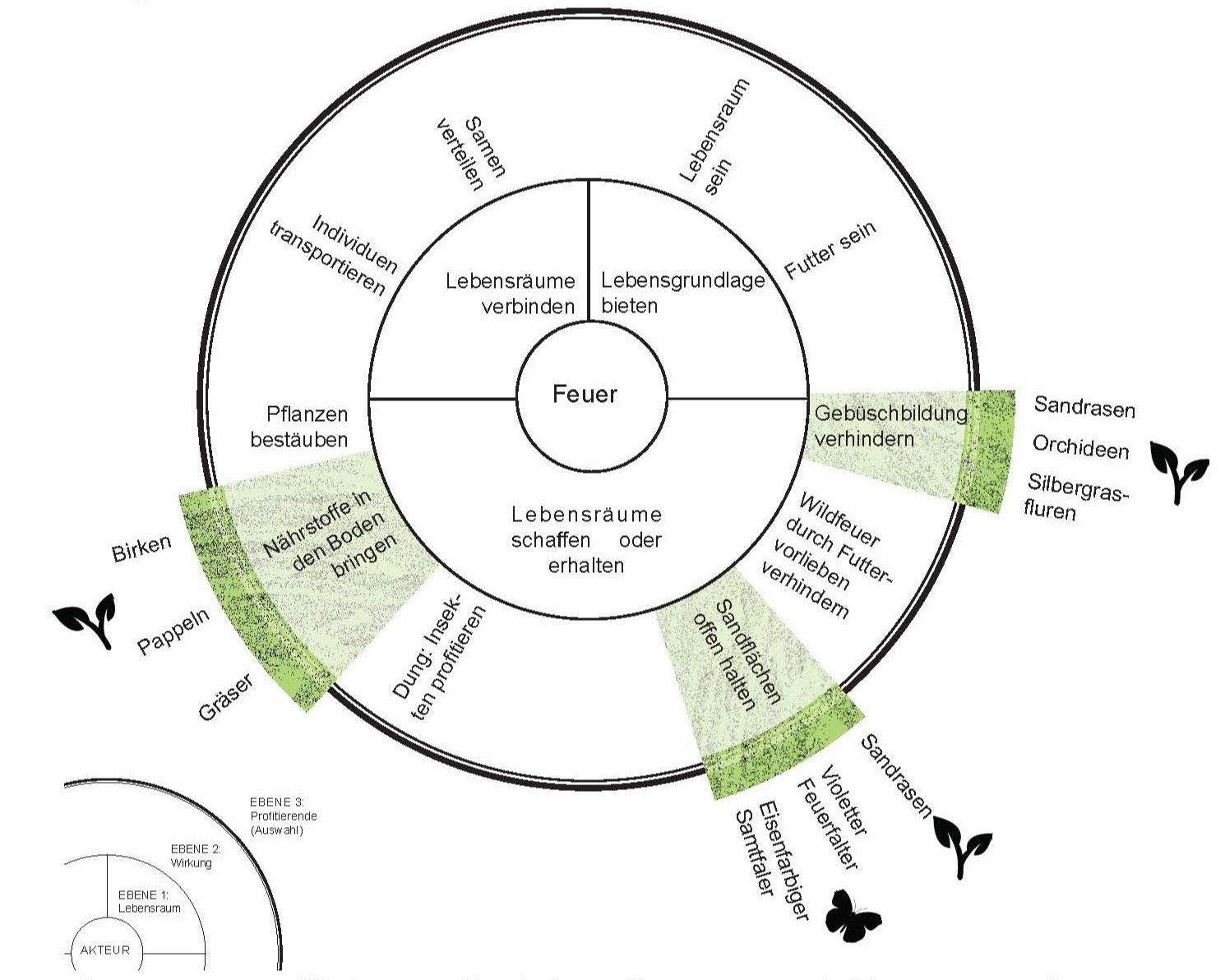
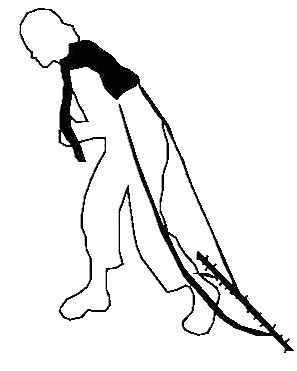
This versatile tool can be carried and used to uproot vegetation and small organisms with its rod, which is also designed for writing. It reshapes its surroundings, both destructive and creative, by altering and transforming the elements in its path.
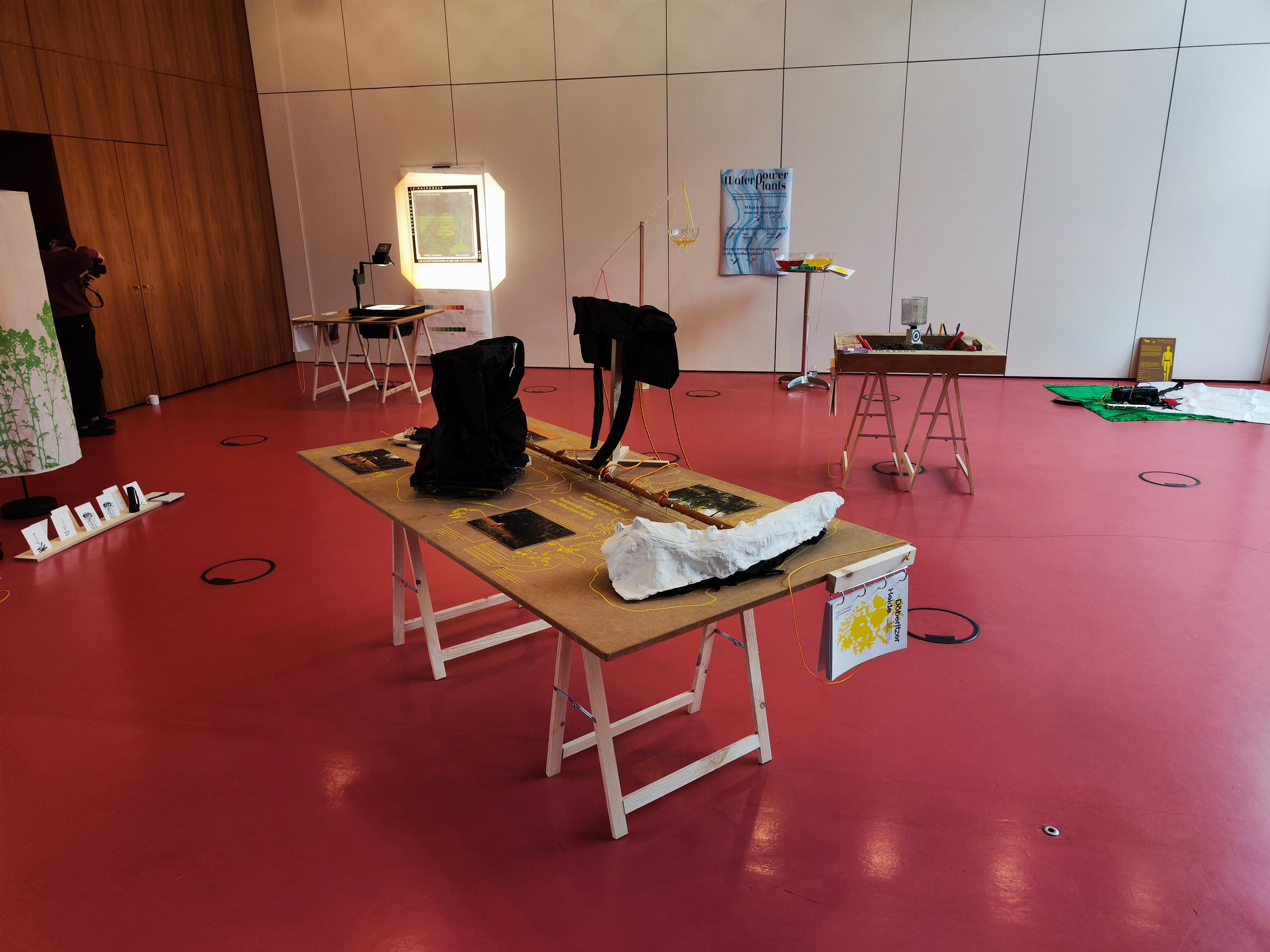
Exhibition: Umweltbeobachtungskonferenz 2023
Supervised by:
Prof. Myriel Milicevic
Summer semester 2023
A project by:
© Irina Kühnlein and Victor Molina